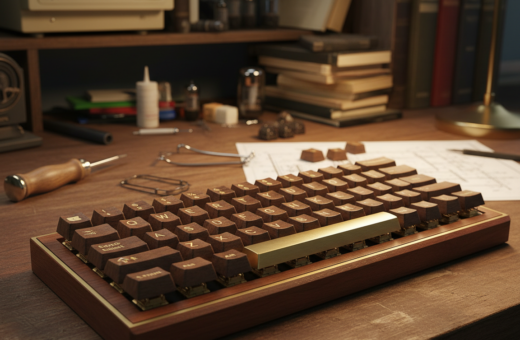
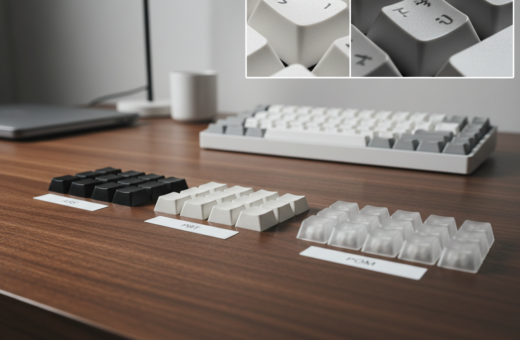
Capsmiths Inc. starts every project with a spark of inspiration. A simple mechanical keyboard becomes a personalized art piece through careful design and hands-on work.
Each artisan keycap needs precise fit and a clean look. Makers test each piece on a switch so the cap does not rub neighboring keys. This attention protects feel, travel, and long-term quality.
Designers blend traditional craftsmanship with modern methods to shape a wide variety of keycaps. Choices in materials and finish change the feel and look. The time spent on each series affects value and the user experience.
This guide walks the reader through the creation process, from concept to the final post step. Whether you collect or play games, understanding design, customization, and craftsmanship helps you appreciate these small works of art.
The Artistic Philosophy Behind Custom Keycaps
Jelly Key’s philosophy treats every cap as a deliberate object that turns ordinary typing into a personal ritual. Creators believe each piece carries value beyond function, changing a mechanical keyboard into a small work of art.
These artisan keycaps push back against plain, mass-market sets. A single unique keycap adds whimsy and lifts the overall look of a keyboard setup. That visual shift makes daily tasks feel more engaging.
The designers focus on the user’s persona. They craft each keycap so it becomes a gateway to expression. Collectors and gamers search for types and finishes that mirror their tastes and hobbies.
Community feedback shapes many choices. Enthusiasts pick materials, colors, and sculpt styles that match their switches and play habits. This demand makes these pieces the pinnacle of customization for modern mechanical keyboards.
- Intrinsic value: Each cap is made to matter.
- Personal expression: Design centers on the user.
- Human touch: These pieces bring warmth to tech-heavy spaces.
Conceptualization and Design Inspiration
Ideas start as quick sketches and small notes before they become a finished sculpt. At Capsmiths Inc., the team maps silhouette, height, and typing comfort early to avoid fit issues later.
Sketching and Visualization
Designers sketch multiple shapes to test ergonomics and visual balance. Each drawing focuses on how a cap will sit on a mechanical keyboard and how it interacts with nearby keys.
Inspiration comes from nature, architecture, and pop culture. Those references guide color, form, and texture for the planned series.
Digital Modeling and Sculpting
Artists move sketches into software like Blender or ZBrush to build a 3D model. This step ensures the model clears the frame and fits the intended switch without rubbing.
Digital sculpting lets the team iterate fast, adjust tiny details, and prepare a reliable mold for casting. Careful planning keeps the final product both usable and beautiful for the community on the creation journey.
- Fit-first approach: ensures every cap works with common switches.
- Material checks: each type is reviewed for strength and finish.
- Series planning: maintains consistent quality across a release.
Advanced Artisan Keycap Production Techniques
Modern makers focus on tight control of print settings and resin choice to turn a concept into a durable, usable product. Resin printing enables fine designs, unusual shapes, and a wide variety of finishes that traditional molding cannot match.
Durability hinges on the type of resin and proper curing. Using high-quality materials reduces brittleness and improves long-term wear on a keyboard.
Careful post steps—sanding, sealing, and painting—fix layer lines and tiny flaws. Skilled finishing brings consistent quality and a professional look.
- Mold precision: A precise mold ensures each piece fits switches and neighboring keys without rubbing.
- Testing: Every cap is tried on keyboards to confirm fit and feel before it ships.
- Material choice: Proper resin lets creators produce complex forms that last in daily use.
Material Selection and Creative Alchemy
A thoughtful palette of resins, clays, and organic inserts defines each creation’s character. Makers balance visual impact with tactile reliability so every cap performs well on a keyboard.
Resin and Clay Foundations
Resin and modeling clay form the base for many artisan keycaps. These materials let creators mold fine detail and control the final finish.
Careful layering prevents bubbles and preserves color. That control keeps the feel consistent across a series and protects the keys during heavy use.
Incorporating Natural Elements
Jelly Key artisans whittle wood down to a thin 1.6mm sheet to embed into caps. This fragile work gives each piece a unique grain and natural inspiration.
Combining organic bits with synthetic mediums demands precise temperature and cure timing. The result is a small piece of art that adds real touch to a gaming setup.
Using Fluorescent and Metallic Components
Fluorescent powders, metallic watch gears, alcohol inks, and glitter add depth and motion. These accents create a striking look without sacrificing durability.
Craftsmanship matters: blending diverse components requires skill to avoid cracking or separation. Collectors and the wider community value these products for their variety and care.
- Material blends that balance strength and look
- Natural inserts thinned for fit and feel
- Decorative elements that enhance a keyboard’s personality
Precision Molding and Casting Processes
High-precision molding locks in tiny sculpted details that make each release stand out. Makers convert a clay or digital concept into a reusable mold. This step sets the foundation for consistent quality across a run.
Creating Silicone Molds
First, the original sculpture is secured in a frame. A high-quality silicone is poured to capture every crevice. Once cured, the mold reproduces fine textures and complex designs without harming the original.
Resin is mixed and poured with care to avoid bubbles. Artisans watch cure times and temperatures because small changes affect surface finish and color.
- Repeatability: durable silicone lets makers cast many identical pieces.
- Fit testing: Capsmiths Inc. tests each keycap on various switches and keyboards to ensure smooth operation.
- Material choice: every type of resin is selected for durability and detail retention.
Care at the mold and casting step keeps the final product reliable and attractive. That focus preserves value and makes these small objects perform well in daily use.
Post-Processing and Hand-Finishing Details
Every finished piece moves through a focused post step, where touch and fit are perfected.
After casting, creators sand and hand-finish each cap to remove layer lines and tiny defects. This work smooths surfaces so keys feel pleasant during long typing sessions.
Artisans pay careful attention to edges. Using fine tools, they round corners and refine faces to achieve a soft, professional finish that mass-made products rarely match.
Every series gets a final inspection for quality. Makers clear debris from the switch stem and test fit on common switches to confirm each keycap sits true on the keyboard.
“This last step is where true craftsmanship appears: hours of abrasion turn a cast piece into a lasting product.”
- Rigorous sanding and hand-finishing for a smooth touch
- Edge work and debris checks to ensure perfect fit on switches
- Protective packaging—like the Jelly Wooden Box—keeps fragile pieces safe in transit
By focusing on these hand-finishing details, makers ensure that artisan keycaps enhance both the look and feel of your keyboards. The careful post work turns a molded object into a small, usable piece of art.
Conclusion
This guide shows how small choices in material and finish turn raw ideas into memorable keyboard pieces.
We traced the full journey from concept to hand-finished artisan keycaps and explained why each step matters. Understanding that path helps you spot quality and value when you shop or collect.
Whether you are a seasoned collector or new to the hobby, choosing the right keycap for a mechanical keyboard is a personal decision. Pick pieces that match your style, feel, and daily use.
As customization evolves, new methods will keep shaping how keycaps look and perform. Thank you for reading this guide and joining us on the journey through craft, care, and creativity.