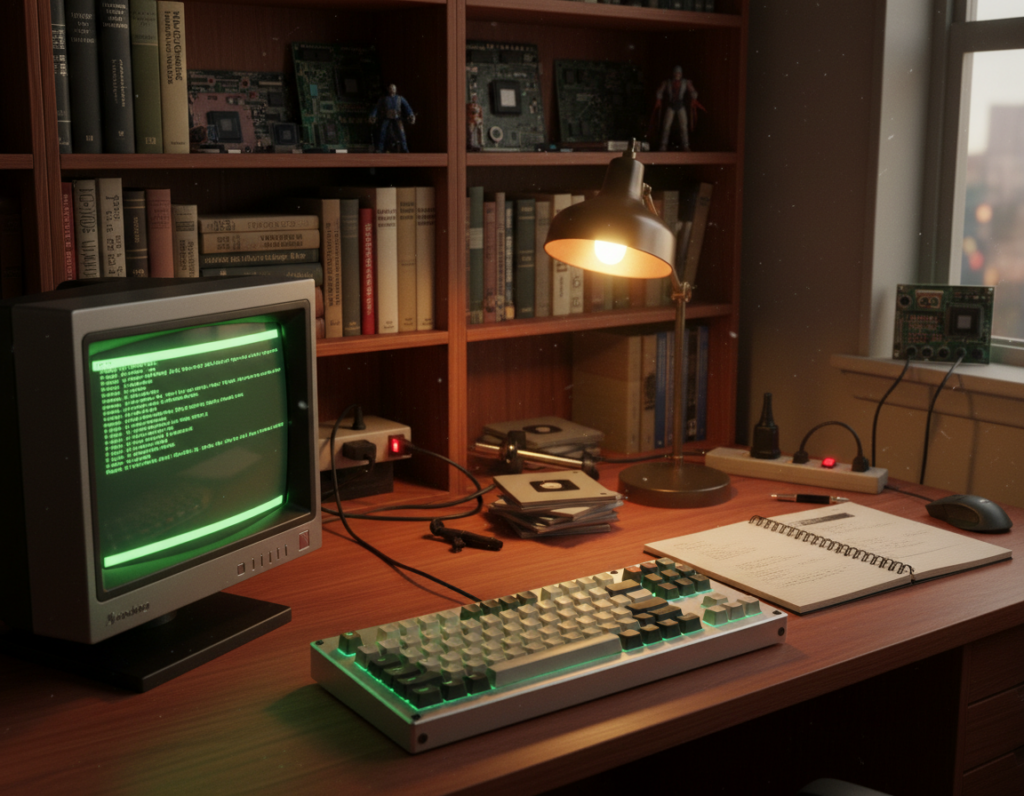
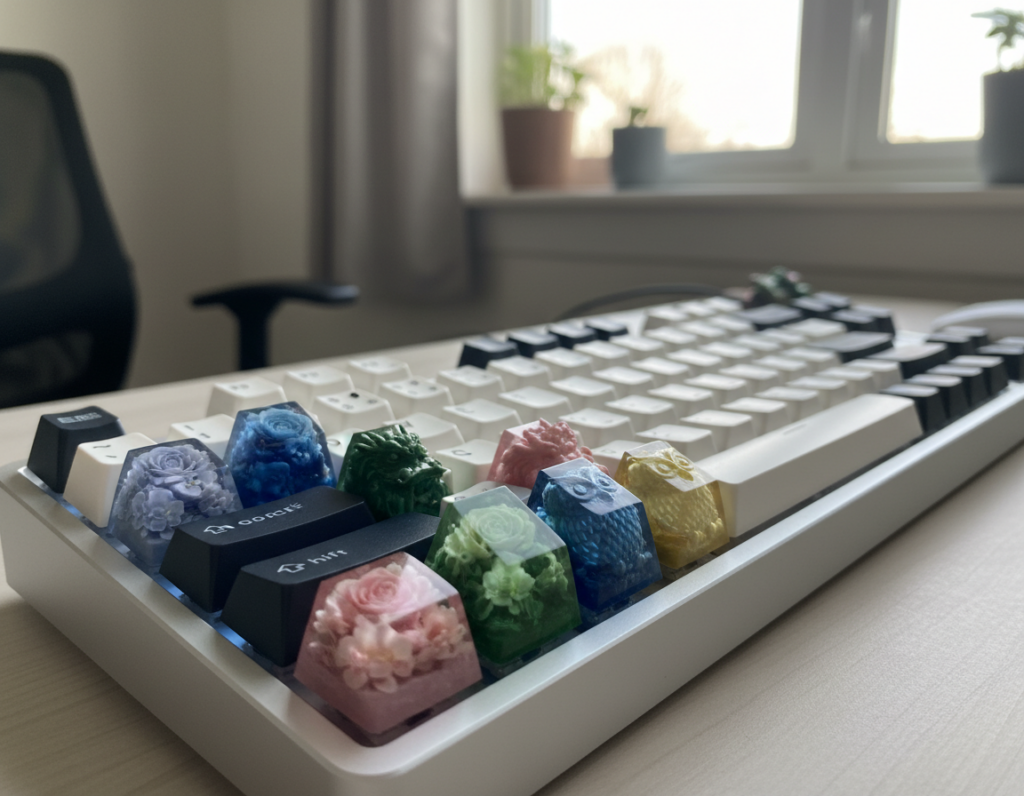
What this guide delivers: a U.S.-focused product roundup of handmade artisan keycaps for keyboards aimed at collectors and daily typists who want their board to stand out.
Quick market snapshot: listings show clear fields like regular price, sale price, and unit price so you can compare at a glance. Expect UI cues such as “Clear all filters,” “Sort by,” and views noting “Showing 379 of 379 products.”
We treat these pieces as small-batch, design-forward accessories rather than basic replacements. You will learn to judge material, compatibility, theme, and how to read a sale badge or stock label. Note the cart state: “Your cart is empty” until you add picks.
This intro previews standout styles—animals, ocean, food, anime, glow, industrial, and nostalgia—and how each theme fits a daily driver. We also link to a large resin catalog with real listing patterns at Hirosarts resin artisan keycaps.
Value here means more than price: it includes craftsmanship, scarcity, and how confidently a keycap fits your keyboard.
Why collectors are buying artisan keycaps right now
Interest has spiked because these sculpted caps blend display value with everyday typing utility. Collectors now treat them as functional collectibles: pieces you can show off and still use on a keyboard.
What makes an artisan keycap “handmade” vs. mass-produced
Purely handmade items take far more maker time and energy. That means slower replenishment and higher variation between units. Expect to be patient when a maker notes limited batches.
Micro-differences—small color shifts or sculpt tweaks—raise perceived authenticity. Those quirks can make a single colorway or sculpt much more desirable to collectors.
How limited availability affects collectibility
Stock labels like “Low stock,” “Unavailable,” and “Sold out” drive urgency. An artisan keycap sale or a short window of discounts (e.g., up to 40% off) can amplify FOMO, especially when unit counts are low.
- Look beyond price: compare regular price, sale price, and unit price to judge value.
- Themed chasing: collectors often seek series (animals, anime), so missing one unit fuels repeat buys.
- Feel matters: profile and material affect daily use as much as display appeal.
How to choose handmade artisan keycaps for keyboards
A smart purchase balances look, feel, and how a cap fits into your day-to-day typing setup.
Material and feel
Resin gives sculpt depth and fine detail seen in Koi Fish Resin and Demon Slayer Resin pieces. It shows shine and can scratch, so store gently.
Silicone options like Kitty&Corgi models feel soft and warm. They attract dust but are very comfy on frequent-use keys.
Metal and aluminum (TAC DRAGON BALL, TAC EVA) add weight and a cold, premium touch. They resist surface wear differently than resin.
ABS/PC blends give a cleaner industrial texture. The Metal Texture Translucent ABS&PC cap illustrates that look well.
Fit, layout, and daily use
Confirm stem type (MX-style is common) and size before buying a unit. Check clearance on 60%, 65%, 75%, TKL, and full-size layouts.
Place tall sculpts on Esc, F-row corners, or nav cluster to avoid interfering with typing. Compare regular price, sale price, and unit price fields to judge value beyond a one-off sale. A quick theme match (monochrome, pastel, anime, nature) helps the cap stay display-worthy if you swap a keyboard later.
Curated roundup of standout artisan keycaps and styles
This shop-by-style roundup groups standout caps so you can match a sculpt to your setup, budget, and collecting goals in the US market. Compare regular price, sale price, and unit price on listings before you decide.
Animal favorites
Character sculpts like Kitty Paw, Corgi Body, Capybara, Otter, Panda, Birds, and Sparrow shine on desk builds. Silicone and resin pieces often show Low stock or Unavailable, so quick buys happen when a sale appears.
Examples: Corgi Body (sale $15, regular $40) and Otter 2‑pack (sale $35, regular $50).
Ocean and nature designs
Translucent depth and layered color make Koi Fish Resin and Crystal Butterfly stand out. Scenic caps like Sakura Blossom Snow Mountain add a subtle display quality without clashing with a board.
Food-inspired picks
Mooncake and other food caps are cute but tasteful, ideal for office builds that need a playful accent without being loud.
Anime and pop-culture
Demon Slayer Resin and aluminum lines (DRAGON BALL, EVA, SUPER MARIO) act as statement pieces and gift options for fans.
Glow and light effects
Shine-Through Kitty Paw and Light Transmission Little Ghost work with RGB and look best on darker sets.
Minimal and industrial
Metal Texture Translucent ABS&PC pairs well with monochrome boards and aluminum cases.
Nostalgia builds
Vintage Computer caps with interchangeable displays sell out fast; that sold out tag often raises collector interest and resale value.
Price, sale price, and unit price: what you’ll pay in the US market
Prices on US storefronts vary widely; learning how listings display each figure saves time and prevents surprises.
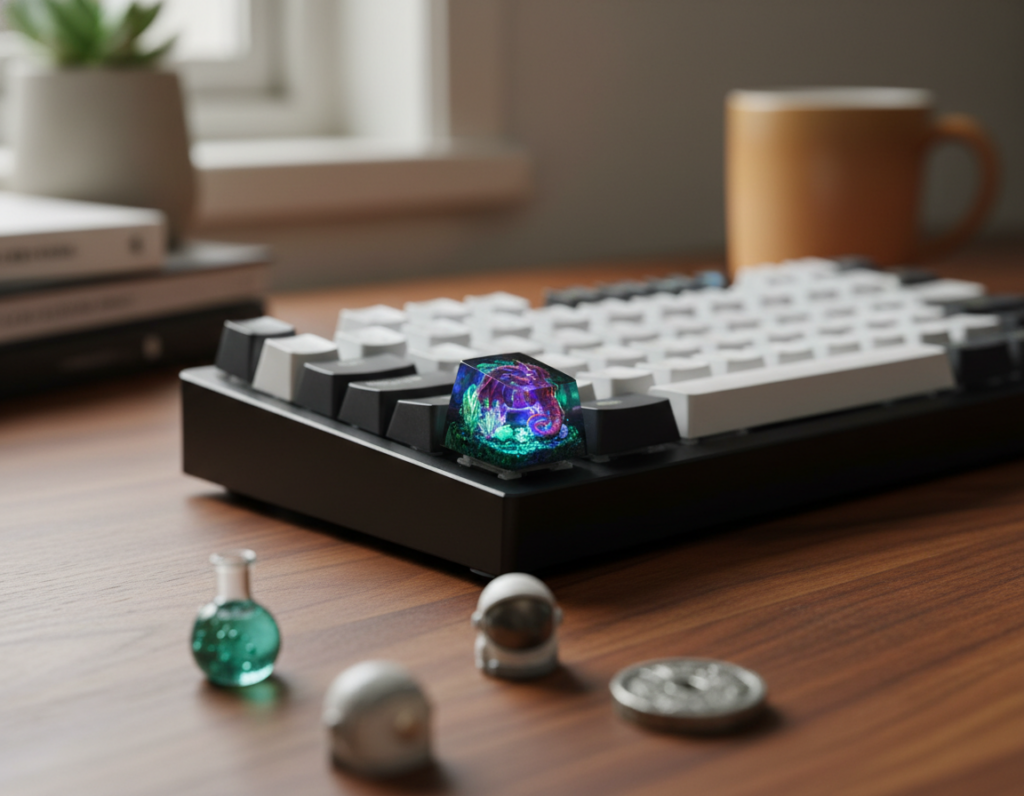
Reading listings quickly
Look for three visible fields: regular price, sale price, and unit price. The regular price shows the baseline. The sale price is the checkout number after discounts.
The unit price may appear as “Unit price /” and sometimes lacks a per-item breakdown. If you see a “from $X” label, remember that variants can raise the final price.
Decoding discount language
“Up to” discounts (e.g., up to 63% off) advertise the max saving across variants. That top percentage often applies to a select color or bundle, not every item.
Deal-check method and ranges
- Compute the dollar gap: regular price minus sale price to see real savings.
- Budget examples: silicone entries from $5.99 (regular $7.99).
- Midrange: most novel pieces hit $14.99–$25 on sale.
- Premium: licensed resin pieces can list near $45 regular price.
Unit economics matter when buying many items. Small per-unit savings add up if you build a set. Prioritize fit, material, and theme coherence over chasing the largest percentage in an artisan keycap sale or keycap sale.
Availability, shipping, and checkout details to plan for
Knowing how listings show stock and how a page behaves helps you avoid surprises during drops. Expect simple signals like Unavailable, Low stock, and Sold out and treat each as a different buying signal.
What stock labels really mean
Unavailable usually means no active inventory. The item may return, but there is no immediate timeline.
Sold out often marks a completed batch (think Vintage Computer Artisan Keycap with Interchangeable Displays). That item may get a restock or a new run months later.
Low stock is a clear cue to act fast if you want that unit.
Cart and page behavior to expect
Choosing a variant commonly triggers a full page refresh. That can slow you during high-traffic drops.
“Your cart is empty” is a common UI state—add items quickly and confirm the price after refresh.
- Decide your variant before you click to reduce refresh lag.
- Verify the sale price, regular price, and unit price after the page reloads.
- During an artisan keycap sale or a busy keycap sale, assume checkout will be time-sensitive.
Shipping tips for US collectors
Confirm whether multiple units ship together or separately. Separate shipments raise the effective unit price.
Factor shipping into total cost and prioritize buys by stock urgency rather than lowest sticker price. This reduces failed attempts and wasted checkout steps.
Bottom line: availability signals are part of the product story. Scarcity and checkout friction shape what ends up on your keyboard, so plan your cart, watch the page, and expect delays in restocks.
Conclusion
A focused approach makes it easier to build a small, cohesive set you’ll use daily.
Core takeaway: pick pieces that balance craftsmanship, comfort on a daily keyboard, and a theme you still enjoy months later.
Use a short decision checklist: material and feel, compatibility, and how a sculpt performs in real typing. Compare regular price, sale price, and unit price so the final price matches your expectation.
Remember that sale banners help, but availability labels like “Low stock,” “Unavailable,” “Sold out” often matter more. Track restocks and move fast on low stock.
Next step: pick one style lane — animals, nature, food, pop culture, glow, industrial, or nostalgia — and build a small, cohesive set instead of buying randomly. This makes each artisan keycap and keycap you own feel intentional and useful.